
Allergic to Chapstick? How to Choose a Truly Hypoallergenic Lip Balm
If your lips burn, peel, or never seem to heal no matter how often you apply ChapStick or other lip balms, you might not just have “dry lips” you may be reacting to the product itself. In this guide, you’ll learn how to tell if you’re sensitive to your current balm and how to choose a truly hypoallergenic lip balm that actually soothes instead of stings.
Are You Actually Allergic to Chapstick?
On the surface, an allergic reaction and plain old chapped lips can look similar, but the causes are very different. Typical “just dry” lips feel tight, rough, or flaky, usually after cold weather, wind, or dehydration, and they often improve quickly with a simple, gentle moisturizer. Ours is even really great for cold sores.
With a lip balm allergy or irritant contact dermatitis, the problem tends to persist or even get worse the more you apply the product. You might notice burning, stinging, or itching soon after application, redness or swelling along the lip line, and peeling or cracking that never fully resolves. Sometimes the corners of the mouth split, or a red “ring” forms just outside the lips, both classic signs that something you’re putting on your lips is not agreeing with your skin.
If you stop using the suspected balm for a week or two and your lips suddenly start improving, that’s a strong clue that an ingredient—not just the weather—is to blame. In stubborn or severe cases, a dermatologist or allergist can do patch testing to pinpoint which specific ingredients (such as fragrance, lanolin, or preservatives) are triggering the reaction. We use natural ingredients with proven track records such as Castor Oil and Shea Butter as lip balm power houses.
Why Some Chapsticks Can Make Sensitive Lips Worse
Many mainstream lip balms are designed to feel good in the moment, not necessarily to support long‑term lip health—especially if your skin is sensitive. Certain common ingredients can create a cycle where you feel you have to apply your balm over and over, yet your lips never truly heal. Finding a lip balm that is ideal for sensitive lips is crucial for good lip care.

Problem Ingredients Hiding in Popular Lip Balms
Here are a few frequent offenders for sensitive or allergy‑prone lips:
- Petroleum and petrolatum – These form a heavy barrier that can trap irritants and don’t actually add moisture themselves. Many people find that the more petroleum‑based balm they use, the drier and more dependent their lips feel over time.
- Menthol, camphor, and strong “medicated” ingredients – That intense cooling or tingling sensation can feel satisfying, but it often signals irritation, not healing. For sensitive lips, these ingredients can increase inflammation, dryness, and the risk of contact dermatitis.
- Artificial fragrances and flavors – Perfume compounds and flavorings are among the most common cosmetic allergens. They can cause burning, stinging, redness, or a rash around the lips, even when everything else in the formula seems mild.
- Certain preservatives and lanolin – Some people react to lanolin (often marketed as moisturizing) or to specific chemical preservatives used to keep products stable. For already irritated lips, these can add fuel to the fire.
When you’re already dealing with dryness or sensitivity, a balm loaded with these “extras” may give you a temporary tingle but leave your lips even more chapped and inflamed in the long run. Our head to head comparison of ChopSaver and Chapstick reveals the truth!
What “Hypoallergenic” Really Means for Lip Balm
“Hypoallergenic” sounds like a guarantee that you won’t react but technically, it just means a product is formulated to reduce the likelihood of irritation compared with standard options. There is no universal, legally mandated ingredient list that all hypoallergenic lip balms must follow.
A truly lip‑friendly hypoallergenic balm usually follows a few principles: it avoids known high‑risk allergens (like strong fragrance, menthol, and certain preservatives), keeps the ingredient list relatively short and easy to read, and relies on gentle, plant‑based moisturizers and waxes. Even then, it’s still possible to react to a natural ingredient if you’re personally sensitive to it, which is why patch‑testing and paying attention to your own history is so important.
Think of “hypoallergenic” as a helpful starting point, not a guarantee. You still want to flip the tube over, read the full ingredient list, and confirm that it avoids the specific things that tend to bother your lips.
Common Allergens to Avoid if You React to Chapstick
If you suspect your lips are allergic to ChapStick or similar products, it helps to know which ingredients are most likely to be causing trouble. Everyone is different, but these are some usual suspects:
- Petroleum and petrolatum – Not technically allergens for most people, but they can contribute to that “never‑heals” feeling and may aggravate some lip conditions.
- Menthol, camphor, phenol, and similar medicated additives – Often found in “cooling” or “medicated” sticks, these can irritate delicate lip skin and trigger burning, stinging, or peeling.
- Artificial flavors and fragrances – Reactions to fragrance blends are common in lip products and can appear as redness, itchiness, or a rash just around the lips.
- Certain preservatives and lanolin – Sensitive users may react to lanolin‑based emollients or particular synthetic preservatives.
- Alcohols and strong exfoliating agents – These can strip the thin skin on the lips and make them more reactive to everything else you apply.
If your current balm includes several of these and you’re struggling with chronic chapping or irritation, switching to a simpler, more carefully formulated product is often the turning point.

Safe, Soothing Ingredients to Look For Instead
A good hypoallergenic lip balm doesn’t just leave things out—it adds the right kind of moisture and barrier support. When you read labels, look for ingredients that nourish, protect, and calm the skin rather than stimulate or tingle.
Helpful moisturizers and barrier builders include:
- Plant butters – Shea butter and mango butter provide rich, long‑lasting moisture and help repair a compromised skin barrier without feeling greasy.
- Gentle plant oils – Avocado oil, apricot kernel oil, castor oil, and grapeseed oil soften the lips and help lock in hydration.
- Natural waxes – Beeswax and candelilla wax create a breathable protective layer that keeps moisture in while shielding against wind and cold.
- Botanical soothers – Aloe, calendula, arnica, comfrey, raspberry leaf, and white willow extract are known for their calming, anti‑inflammatory, and healing properties.
- Antioxidants like vitamin E – Help support skin recovery and protect against environmental stressors.
ChopSaver was built around exactly these kinds of ingredients, combining shea and mango butters, natural oils, and the “Core Seven” herbal extracts—aloe, arnica, calendula, comfrey, white willow, ginger, and raspberry leaf—for maximum comfort and minimal irritation. Check out all of ChopSaver's ingredients!
Everyday Lip Care Tips for People Allergic to Chapstick
Once you’ve switched to a gentler balm, changing a few daily habits can help your lips stay comfortable and less reactive.
Use your hypoallergenic balm consistently, especially in the morning, before bed, and before you go out into harsh weather, rather than waiting until your lips are already cracked. Avoid licking, biting, or picking at your lips, since saliva and mechanical irritation can undo the progress you’re making with good products. It also helps to drink enough water, keep indoor humidifiers running in very dry seasons, and be cautious with spicy foods or citrus if your lips are already inflamed.
Environmental and Lifestyle Triggers to Watch For
Even with the best balm, your environment plays a big role in how your lips feel. Common triggers include:
- Cold, windy, or very dry weather – These strip moisture and can create tiny cracks that sting when you apply balm.
- Sun exposure – UV rays can dry, darken, and prematurely age the lip area, especially on fair or sensitive skin.
- Indoor heating and air conditioning – Both lower humidity and can leave lips feeling parched.
- Habits like lip‑licking or mouth‑breathing – Saliva and constant airflow keep the surface of the lips irritated.
Recognizing which of these affect you the most will help you anticipate when to apply protective balm more often or take extra precautions.
When You Need SPF and When You Don’t
You don’t need SPF in your lip balm 24/7, but you do need it whenever you’ll spend meaningful time outdoors. Lips have very little natural pigment or oil, so they burn and dry out more easily than the rest of your skin.
For daytime outdoor use walking the dog, commuting, sports, or practicing music on a marching field reach for a broad‑spectrum SPF lip balm that is still formulated with gentle, non‑irritating ingredients. In the evening or when you’re mostly indoors, a non‑SPF version is usually enough; rotating between an everyday balm and an SPF option lets you protect your lips without overcomplicating your routine.

Why ChopSaver Is a Smart Pick for Chapstick‑Sensitive Lips
If you’re tired of lip balms that promise relief but end up making your lips feel worse, it may be time to try something designed from the ground up for sensitive, overworked lips. ChopSaver was created by a professional trumpet player who needed serious healing after long practice sessions—and it quickly became a favorite not just for musicians but also for people dealing with chronic chapping, Accutane dryness, and chemotherapy‑related lip irritation.
Unlike many conventional sticks, ChopSaver is free from petroleum, alcohol, camphor, menthol, and harsh chemical preservatives that can aggravate sensitive lips. Instead, it uses a carefully balanced blend of plant butters, natural oils, and soothing botanicals chosen specifically to hydrate, protect, and calm your skin.
ChopSaver – a gentle hypoallergenic‑friendly lip balm
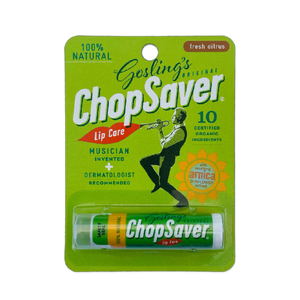
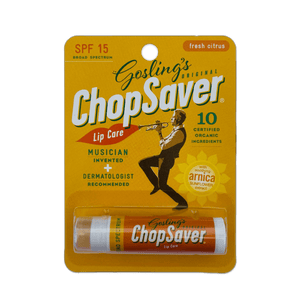
ChopSaver 100% Natural and ChopSaver SPF 15 both follow a gentle, hypoallergenic‑friendly philosophy:
- Petroleum‑free, menthol‑free, and camphor‑free, so you avoid the common ingredients that often make ChapStick‑sensitive lips burn or peel.
- Packed with shea butter, mango butter, castor oil, avocado oil, apricot kernel oil, and grape seed oil to deliver deep, lasting moisture and a comfortable, non‑greasy feel.
- Infused with aloe, arnica, calendula, comfrey, raspberry leaf, white willow, ginger, and vitamin E to help soothe inflammation and support healing.
Dermatologists recommend ChopSaver for patients dealing with medication‑induced dryness, and many users find they don’t need to reapply as often because the formula stays put and truly nourishes. If you’re looking for a lip balm that respects sensitive skin instead of challenging it, ChopSaver is a smart, simple upgrade.
FAQs
Is petroleum‑free lip balm always better for sensitive lips?
Petroleum‑free isn’t automatically better for everyone, but it can make a real difference if you feel like your lips are “addicted” to your current balm or never seem to get ahead of the dryness. Petroleum forms a heavy barrier without adding much moisture on its own, and some people find it traps irritants and makes chapping feel worse over time.
A petroleum‑free balm that uses plant butters and oils—like ChopSaver, with shea butter, mango butter, avocado oil, and castor oil—tends to hydrate more effectively while still protecting the lips. For many ChapStick‑sensitive users, this kind of formula feels more natural, less suffocating, and more genuinely healing.
Will a hypoallergenic lip balm sting or burn at first?
A well‑formulated hypoallergenic lip balm should not sting or burn when you apply it, even on dry or cracked lips. If you consistently feel a strong tingle or burning sensation, it’s usually a sign of fragrance, menthol, camphor, or another irritant—exactly what you’re trying to avoid.
Mild warmth can sometimes be felt as damaged skin begins to heal, but this should fade quickly and be replaced by comfort, not ongoing discomfort. When in doubt, patch‑test any new balm on a small area and discontinue use if stinging persists or your lips look redder and more swollen afterward.
Is ChopSaver safe if I’m on Accutane or undergoing chemotherapy?
Many dermatologists and oncologists recommend ChopSaver for patients whose lips are severely dried and irritated from Accutane or chemotherapy. These treatments can make lips extremely sensitive, and ordinary petroleum based or heavily fragranced balms often aren’t enough or can even make things worse.
ChopSaver is crafted with natural moisturizers and healing herbs, without petroleum, alcohol, camphor, or menthol, making it a gentle option for compromised skin. As always, you should check with your own doctor about any product you plan to use during medical treatment.